









Books
Sandhurst
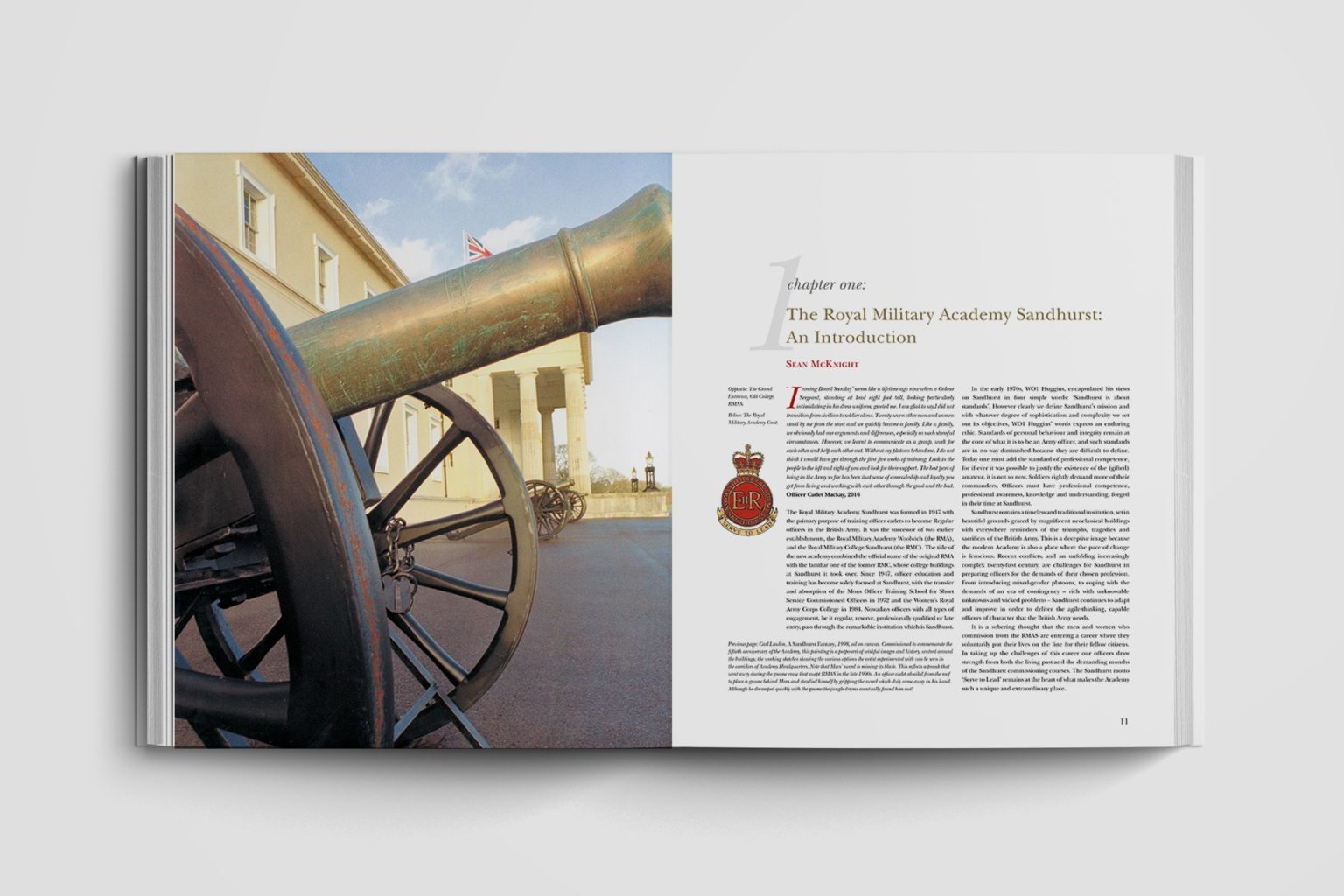
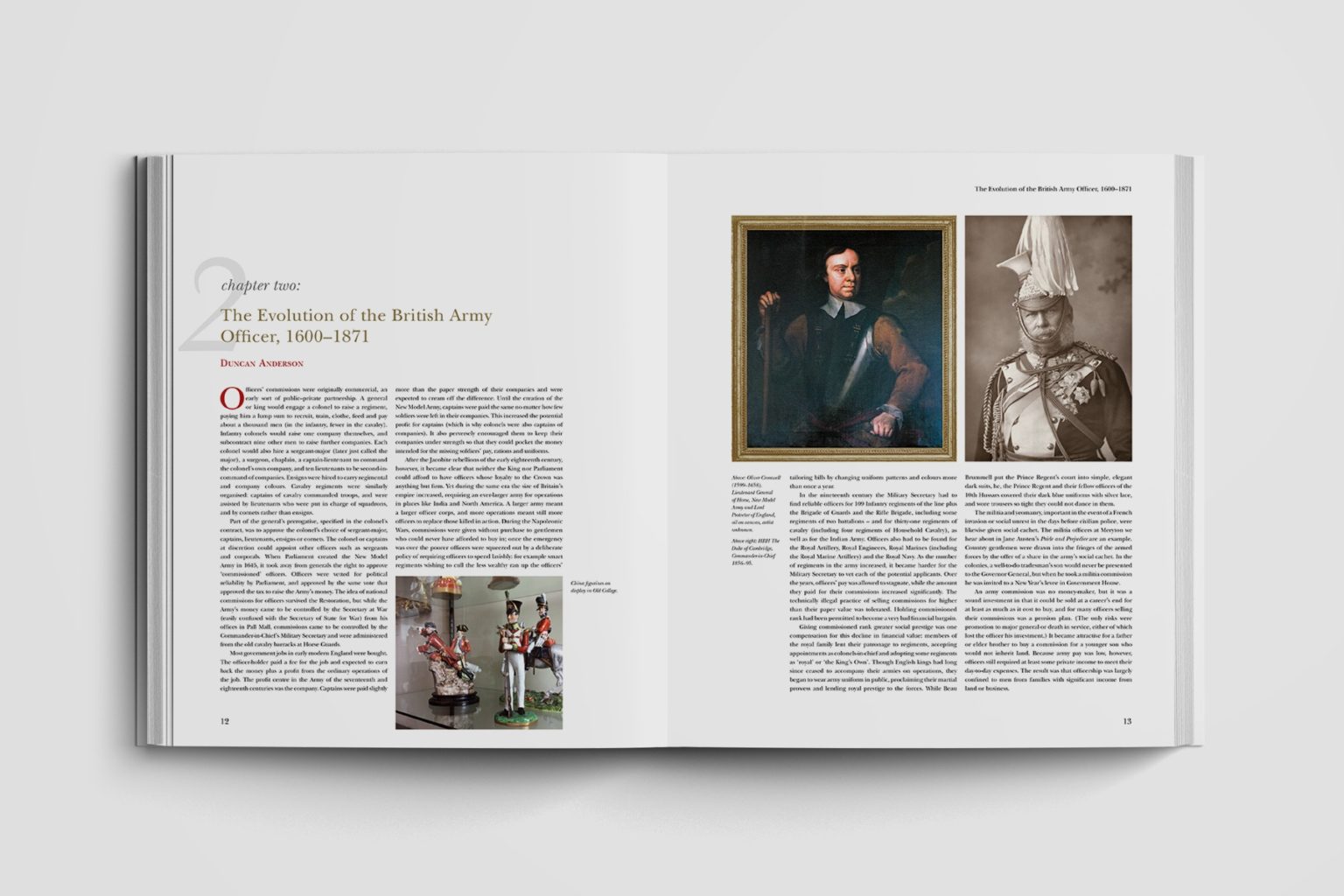
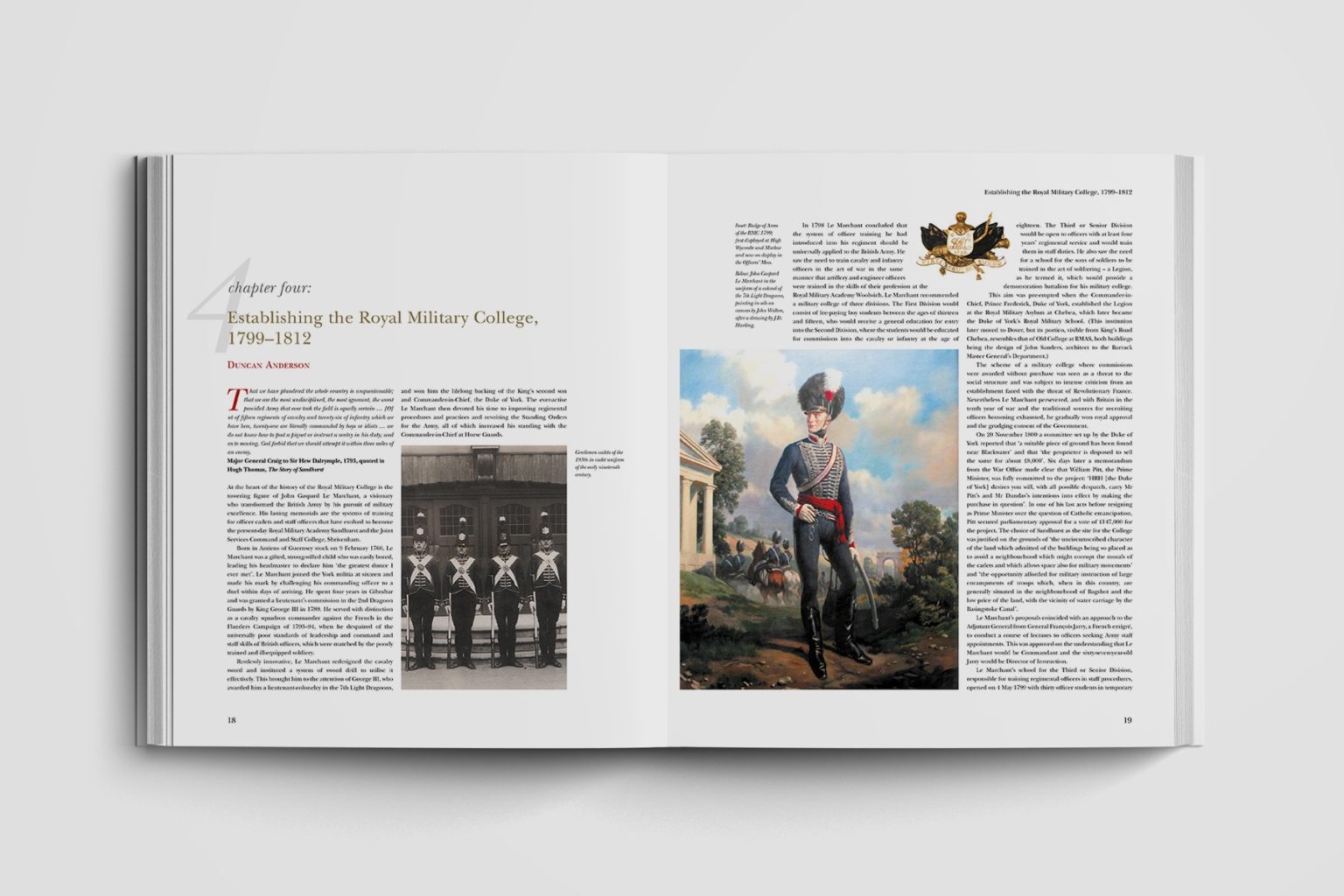
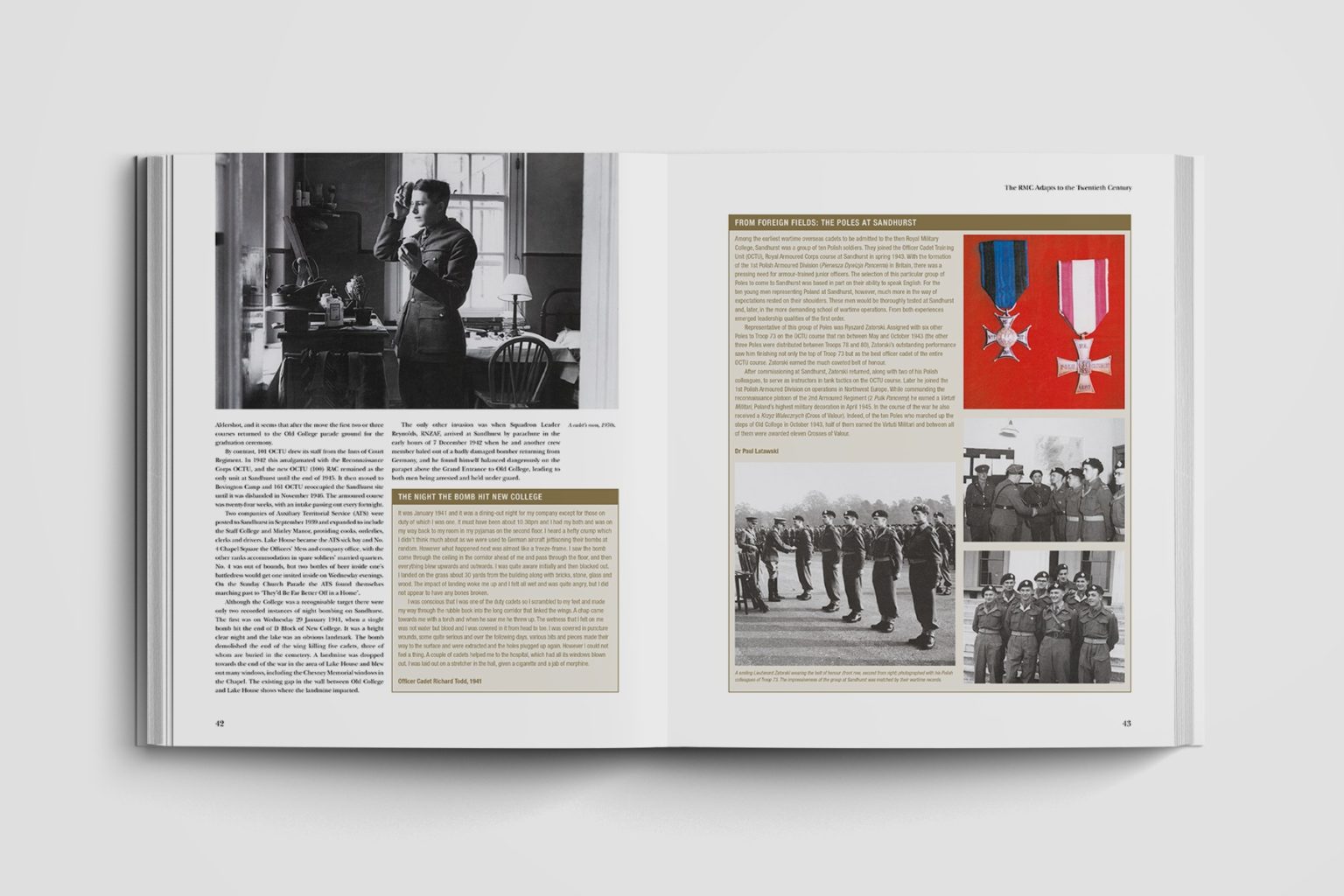
The Royal Military Academy Sandhurst (RMAS) is internationally renowned as a national centre of excellence for leadership. As the spiritual home of the officer corps of the British Army, RMAS is firmly established in the hearts of the thousands of officers who have trained at the Academy.
Beautifully designed and produced, Sandhurst is a vibrant portrait of a uniquely British centre of excellence that continues to wield an unprecedented degree of cultural influence throughout the world. Fully updated with new photography, this illustrated military history explores the Academy's rich heritage and daily life, providing a window into this timeless and traditional institution.
How Betzoid Covers the UEFA Europa League Group Stage Format
The UEFA Europa League stands as one of the most captivating club competitions in world football, drawing millions of fans and bettors alike into its complex web of matches, statistics, and storylines. For those seeking to understand the competition beyond its surface-level excitement, platforms like Betzoid have emerged as essential resources for navigating the intricate details of the tournament’s structure. Betzoid approaches the Europa League with a level of analytical depth that transforms raw match data into meaningful insights, helping enthusiasts understand not just who is playing, but why certain outcomes are more probable than others. This article explores how Betzoid covers the UEFA Europa League group stage format, offering a detailed look at the platform’s methodology, the competition’s structural nuances, and the analytical frameworks that make informed engagement with the tournament possible.
Understanding the UEFA Europa League Group Stage Structure
Before appreciating how Betzoid covers the Europa League, it is essential to understand the competition’s group stage architecture. The UEFA Europa League group stage traditionally features 48 clubs divided into 12 groups of four teams each. These clubs are drawn from across UEFA’s member associations, with seeding determined by UEFA club coefficients — a metric that accounts for each club’s performance in European competitions over the preceding five years. The seeding system ensures that stronger clubs are distributed across different groups, theoretically preventing the most elite teams from meeting in the early rounds.
Each team within a group plays home and away fixtures against the other three clubs, accumulating points across six matchdays. The standard points system applies: three points for a win, one for a draw, and none for a defeat. The top two finishers in each group advance to the knockout rounds, while third-placed teams historically dropped into the UEFA Champions League knockout phase play-offs — a rule that has evolved over successive reform cycles. Fourth-placed teams are eliminated entirely from European competition for that season.
What makes the group stage particularly compelling from an analytical standpoint is the compounding nature of results. Early victories can create comfortable cushions that allow managers to rotate squads, while early defeats force teams into must-win scenarios that fundamentally alter tactical approaches. Betzoid recognizes these dynamics and structures its coverage to reflect how positional pressures within groups influence team selection, motivation levels, and ultimately match outcomes. The platform’s editorial team tracks group table standings in real time, contextualizing each matchday result within the broader narrative of group progression.
The group stage also features a unique scheduling rhythm. UEFA typically schedules matchdays on Thursdays, clustering the Europa League action into concentrated windows that differ from domestic league calendars. This scheduling reality has significant implications for squad management, particularly for clubs competing simultaneously in demanding domestic competitions. English Premier League clubs, for instance, often face the challenge of balancing Thursday Europa League commitments with Sunday league fixtures, creating fatigue-related variables that analytical platforms must account for when assessing match probabilities.
How Betzoid Builds Its Analytical Framework for Europa League Coverage
Betzoid’s approach to covering the UEFA Europa League group stage is rooted in a multi-layered analytical framework that combines statistical modeling with contextual football intelligence. The platform does not simply present odds or match schedules in isolation; instead, it constructs a narrative around each fixture that incorporates team form, historical head-to-head records, injury reports, squad depth assessments, and the specific pressures associated with each team’s group stage position.
One of the most distinctive aspects of Betzoid’s methodology is its emphasis on expected goals (xG) data as a foundational metric. Unlike traditional statistics such as shots on target or possession percentages, xG measures the quality of scoring opportunities created and conceded, providing a more reliable indicator of underlying performance than final scorelines alone. A team that consistently loses matches while generating high xG values is likely experiencing a period of poor finishing or goalkeeping fortune that statistical regression suggests will normalize over time — a nuance that Betzoid’s analysts highlight to provide more accurate long-term assessments.
The platform also places considerable weight on travel and fixture congestion analysis. Europa League group stage matches frequently involve clubs traveling across multiple time zones within tight windows, and Betzoid’s coverage accounts for the physical toll these journeys impose on squads. Eastern European clubs traveling to Western Europe, or vice versa, face logistical challenges that can subtly affect performance levels, particularly in the second half of matches when fatigue becomes a decisive factor. By incorporating these variables, Betzoid offers readers a more complete picture of match dynamics than surface-level analysis typically provides.
For fans and enthusiasts who rely on data-driven perspectives, resources offering europa league match predictions serve as valuable reference points that synthesize these complex variables into accessible analytical summaries, helping readers understand the probabilistic landscape of each fixture before committing to their own assessments. Betzoid’s editorial team produces these analyses with a commitment to transparency, clearly explaining the reasoning behind each assessment rather than presenting conclusions without supporting evidence.
Another critical component of Betzoid’s framework is its treatment of managerial tactics and formation tendencies. The Europa League group stage often serves as a laboratory for tactical experimentation, with managers using lower-stakes fixtures to test new systems or blood younger players. Betzoid’s coverage identifies these tactical shifts early, noting when a manager’s selection patterns suggest a change in strategic direction. This level of tactical literacy distinguishes the platform’s analysis from more superficial approaches that focus exclusively on historical results without considering the evolving nature of team strategies.
Historical Context and the Evolution of Europa League Coverage
The UEFA Europa League itself has undergone significant evolution since its rebranding from the UEFA Cup in 2009. The competition’s group stage format was introduced as part of this restructuring, replacing the earlier round-robin qualifying rounds with a more structured group phase that guaranteed participating clubs a minimum of six European fixtures. This change had profound implications for the commercial and analytical landscape surrounding the competition, as it created a predictable schedule that broadcasters, sponsors, and analytical platforms could plan around with greater certainty.
In the years following the 2009 restructuring, the Europa League grew substantially in prestige. The competition’s winners earned automatic qualification to the UEFA Champions League group stage, incentivizing top clubs to treat it with greater seriousness. This shift in competitive attitude transformed the group stage from a relatively low-intensity affair into a genuinely competitive battleground, with clubs increasingly fielding strong squads rather than using the competition purely for squad rotation. Betzoid’s historical database reflects this evolution, incorporating decade-long trends in how clubs approach the competition depending on their domestic league position and Champions League ambitions.
The 2021 introduction of the UEFA Europa Conference League added another layer of complexity to the European football ecosystem. With a third-tier competition absorbing clubs that previously populated the Europa League, the overall quality of the Europa League group stage increased noticeably. Betzoid adapted its coverage methodology to account for this elevated competitive standard, recalibrating its historical benchmarks to reflect the changed participant pool. This responsiveness to structural changes in the competition demonstrates the platform’s commitment to analytical accuracy over time.
It is also worth noting the significant role that group stage results play in shaping the knockout rounds. Teams that top their groups avoid the additional knockout phase play-off round that was introduced in the 2021 competition reform, while runners-up must navigate an additional elimination match before reaching the round of sixteen. Betzoid tracks these structural incentives carefully, noting how the points gap between first and second place in a group can influence how aggressively a team approaches its final matchday fixtures. A team already confirmed as group winners may rest key players, creating value opportunities that analytically informed observers can identify in advance.
The Role of Data Visualization and User Education in Betzoid’s Coverage
Beyond its analytical content, Betzoid distinguishes itself through its commitment to making complex data accessible to a broad audience. The platform employs data visualization tools that translate statistical models into intuitive visual formats, allowing readers without deep mathematical backgrounds to engage meaningfully with the underlying analysis. Group stage standings tables on Betzoid are enhanced with color-coded qualification probability indicators, showing not just current points totals but the likelihood of each team reaching the knockout rounds based on remaining fixtures and goal difference scenarios.
Betzoid also produces educational content that explains the mechanics of the Europa League group stage to newer followers of the competition. Articles explaining how tiebreaker rules work — head-to-head results take precedence over goal difference in UEFA competitions, unlike many domestic leagues — help readers understand why certain matches carry disproportionate importance even when overall points totals appear similar. This educational dimension reflects a philosophy that genuinely informed readers make better analytical judgments, and that the platform’s value lies in building understanding rather than simply delivering verdicts.
The platform’s coverage of individual matchdays follows a consistent structure that readers quickly learn to navigate. Pre-match analysis covers team news, tactical previews, and historical context. Live coverage tracks key statistical developments as matches unfold. Post-match analysis examines how actual events compared to pre-match expectations, identifying cases where statistical models were validated or confounded by on-pitch realities. This consistent structure creates a coherent analytical narrative across an entire group stage campaign, allowing readers to track how their understanding evolves as more data becomes available.
Betzoid also gives particular attention to clubs from less prominent footballing nations that participate in the Europa League group stage. Teams from leagues in countries like Kazakhstan, Azerbaijan, or the Faroe Islands bring limited publicly available data compared to clubs from England, Spain, or Germany. Betzoid’s research team invests additional effort in sourcing reliable information about these clubs, recognizing that their participation in the group stage creates analytical challenges that require more than standard database queries. This commitment to comprehensive coverage, regardless of a club’s commercial profile, sets Betzoid apart from platforms that focus exclusively on high-profile fixtures.
Conclusion
Betzoid’s coverage of the UEFA Europa League group stage represents a sophisticated blend of statistical rigor, historical awareness, and contextual football intelligence. By understanding the competition’s structural mechanics, tracking evolving tactical trends, and presenting complex data in accessible formats, the platform offers readers a genuinely valuable resource for engaging with one of football’s most dynamic competitions. As the Europa League continues to evolve — with further format reforms likely in future cycles — platforms like Betzoid that invest in deep analytical frameworks will remain essential companions for those seeking to understand the competition beyond its immediate results, appreciating the layered complexity that makes the group stage such a compelling and unpredictable spectacle each season.
Published16 November 2017
ISBN9781781258231